

Notes on Operation of UK Series Compact Excavators
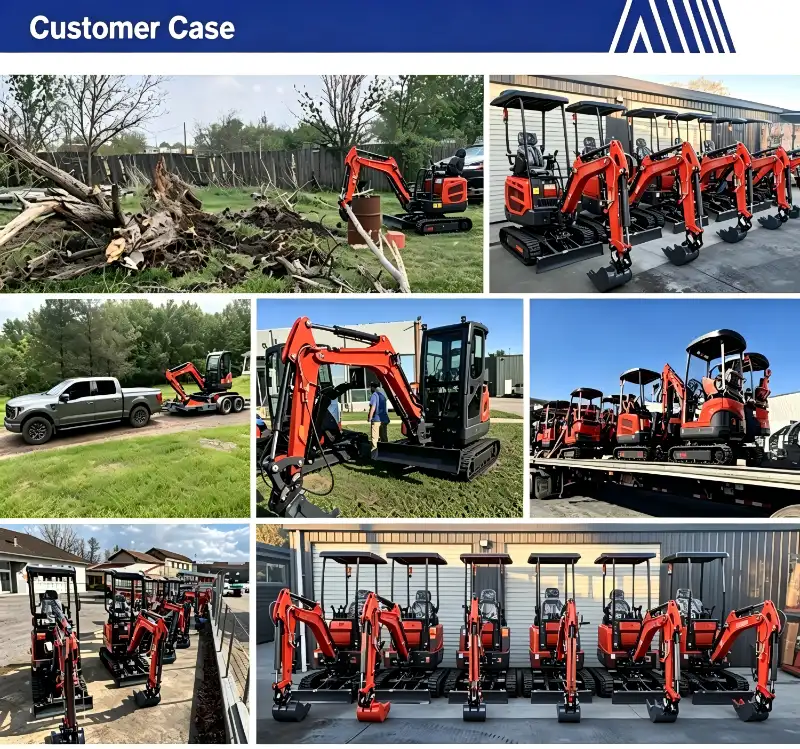
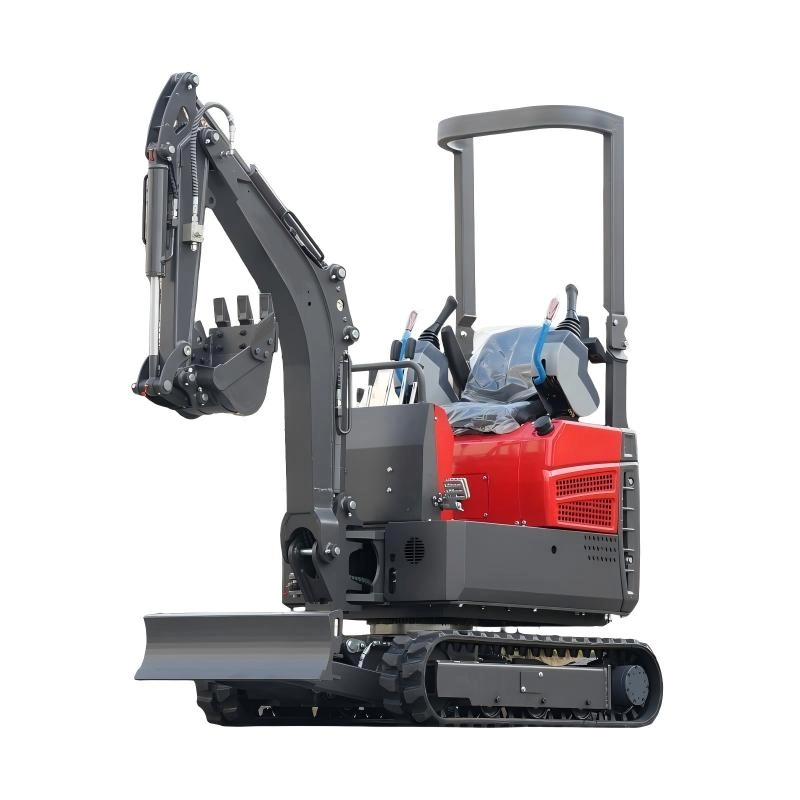
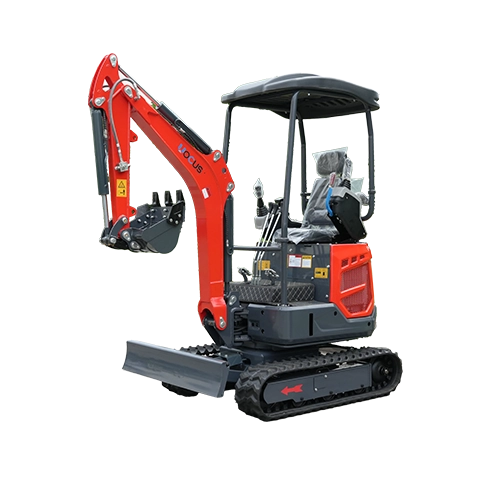
UOCUS UK series compact excavators feature a compact body, powerful power output and versatile adaptability. They are widely used in municipal construction, landscape maintenance, farmland renovation, indoor demolition and work on confined sites. Safe and efficient equipment operation directly affects working efficiency and project progress, and also determines equipment service life and personal safety of on-site personnel.
This guide is developed based on the operating characteristics of UOCUS mini excavators. It systematically summarises nine core precautions across three major sections: pre-operation preparation, working operation specifications, safety and maintenance. It helps operators quickly master correct operating methods, maximise equipment performance and mitigate safety risks. Whether you are a new operator with limited experience of compact machinery or an experienced operator aiming to improve daily performance, the practical recommendations below will help you realise the full value of your machine.

1. Pre-operation Preparation
(1) Read the Operation Manual Carefully
Before operating any excavator, please take time to fully read the supplied operation manual. The manual is the authoritative reference for equipment use, covering key information including machine structure, control logic, safety limits and maintenance requirements.
- Understand all control functions and indicator symbols to accurately interpret joysticks, pedals and instrument readings;
- Learn permitted operating limits and safety warnings, and clarify load capacities and prohibited operations under different working conditions;
- Familiarise yourself with maintenance intervals and daily inspection items to establish standard equipment servicing routines.
An operator with thorough knowledge of the machine forms the first line of defence for site safety. Never operate based solely on experience or intuition. Ignoring safety warnings in the manual may lead to serious consequences.
(2) Follow the Correct Start-up Procedure
A standard start-up procedure effectively protects the engine and hydraulic system, reduces wear during cold starts and extends the service life of core components. Proper preheating is especially critical in low-temperature environments.
- Confirm all joysticks are in the neutral position and the safety lock lever is engaged before start-up;
- After starting the engine, allow it to idle for several minutes and check that all instrument readings are normal;
- Before applying working loads, fully warm up the hydraulic oil to bring the hydraulic system to its normal operating temperature.
For mini excavators working in cold conditions, low temperatures increase hydraulic oil viscosity and reduce fluidity. Applying loads without adequate preheating accelerates wear on hydraulic pumps and valve assemblies. Always allow sufficient warm-up time.

2. Working Operation Specifications
(1) Smooth and Precise Operation
Rough operation reduces working accuracy, accelerates equipment wear and raises impact loads on the hydraulic system. Smooth, precise operation is a fundamental skill for professional operators.
- Avoid sudden or aggressive joystick inputs; carry out movements gradually to minimise hydraulic shock;
- Use slow, controlled movements when lifting or lowering loads to keep the load stable;
- Maintain a steady operating rhythm to prevent machine instability caused by abrupt movements.
Smooth operation delivers higher working accuracy and longer equipment service life. Habits such as sudden stops, sharp turns and forceful joystick pulling may quickly damage seals and loosen pipe connections, and substantially shorten the overhaul cycle in the long run.
(2) Proper Excavation Techniques
Efficient excavation relies on technique rather than brute force. Applying suitable excavation skills allows more work to be completed within the same timeframe while cutting energy consumption and mechanical wear.
- Before applying digging force, insert bucket teeth into the soil at an appropriate angle and use the penetrating power of bucket teeth to break ground;
- Increase excavation depth gradually instead of forcing the bucket downwards, to prevent the machine from tipping at the front or hydraulic system overload due to excessive resistance;
- Extend the digging range by moving the tracks forwards and backwards, rather than frequently adjusting the bucket angle, to maintain continuous excavation movements.
Correct excavation techniques markedly improve working efficiency and reduce unnecessary loads on the mini excavator hydraulic system. When encountering hard soil layers or obstacles, loosen surrounding soil first before digging. Never force the machine to work.
(3) Best Practice for Ground Levelling
When carrying out ground levelling or backfilling work, the way you use the dozer blade directly determines levelling quality and efficiency. The following points help achieve a smooth, professional working surface.
- Lower the dozer blade to make even contact with the ground, ensuring consistent contact pressure across both ends of the blade;
- Move the machine slowly using the tracks to smooth the surface, keeping a uniform travelling speed and avoiding irregular acceleration or deceleration;
- Do not apply excessive downward pressure, which would make the blade cut grooves into the soil and compromise levelling results.
Consistent, uniform movements produce a cleaner and more professional levelled surface. For large-area levelling, work section by section. Check flatness after completing each segment and carry out remedial levelling where necessary.
3. Safety and Maintenance
(1) Safe Travel and Steering on Slopes
When working on slopes or uneven terrain, machine stability faces greater challenges. Slope operation demands extra attention and correct operating methods to prevent rollover or sliding accidents.
- When travelling on steep slopes, always keep the boom facing uphill. Use the working attachment to stabilise the machine’s centre of gravity;
- Reduce travelling speed when turning, particularly on slopes; high-speed turning greatly increases the risk of rollover;
- Avoid abrupt changes of travelling direction, which cause sharp shifts in the centre of gravity and loss of stability.
Stability is the primary principle when operating compact excavators on uneven ground. Do not operate or park the machine on slopes exceeding its rated gradient. If short stops on a slope are unavoidable, lower the bucket to the ground, shut down the engine and engage locks.
(2) Maintain Machine Balance
The machine’s balance state directly affects operational safety. Mini excavators have a lightweight body and are more susceptible to shifts in centre of gravity during lifting or side working, so extra care is required.
- Keep the excavator on level ground wherever possible. Level the working platform before working on sloped terrain;
- Avoid swinging heavy loads downhill or sideways. Load swing generates centrifugal force and raises rollover risks;
- Strictly observe the machine’s rated lifting capacity. Overload lifting is one of the main causes of machine overturning.
A well-balanced mini excavator is a safe mini excavator. During lifting operations, ensure loads stay within the machine’s stability envelope and avoid rapid slewing movements. Use auxiliary supports or add counterweights if required.
(3) Periodic Inspection and Maintenance
Daily checks and regular maintenance are the most effective way to prevent equipment failures and costly downtime. Many serious faults show early warning signs. Timely detection and rectification can greatly reduce repair costs.
- Inspect hydraulic hoses, connectors and cylinders for leaks, cracks or abnormal wear, and replace faulty components promptly;
- Check track tension and overall undercarriage condition, including wear on track plates, drive wheels, idlers and carrier rollers;
- Monitor engine oil, coolant and fuel levels to ensure all fluids stay within normal ranges, and replace fluids according to scheduled intervals.
Routine inspections ensure your excavator operates reliably in harsh working environments. We recommend a three-tier maintenance system: pre-start daily checks, weekly in-depth inspections and monthly full servicing, together with maintenance records to track machine condition.
(4) Prioritise Operator Safety at All Times
Safety is the prerequisite for all operations. Good safety habits protect the operator, other on-site workers and surrounding facilities. Safety awareness must be maintained throughout the whole operation process without any relaxation.
- Always fasten the seat belt, especially when working on uneven terrain; the seat belt is critical protection against ejection from the cab;
- Constantly watch for nearby workers, obstacles and overhead hazards such as power lines, pipelines and overhanging structures. Confirm the surrounding environment is safe before starting work;
- Keep unauthorised personnel clear of the operating zone and install required warning signs and isolation barriers.
Safety is not optional; it is an essential part of professional operation. Never disregard safety procedures to rush work. If safety hazards are identified during operation, stop work immediately and resolve the hazards before resuming.
Conclusion
The nine precautions above cover the full workflow of UOCUS mini excavators: pre-operation preparation, working procedures, safety and maintenance. The core principles can be summarised: prepare thoroughly before operation, operate smoothly and accurately during work, strictly observe safety rules throughout the process and carry out frequent routine maintenance.
Correct operating methods and good maintenance habits can significantly boost working efficiency, cut operating costs, effectively extend equipment service life and guarantee safety for on-site personnel. UOCUS is committed to supplying high-quality mini excavators for global customers. We also hope every operator can use the machine safely and efficiently and achieve its full potential.
For further product information or technical support, please contact the UOCUS official service team.